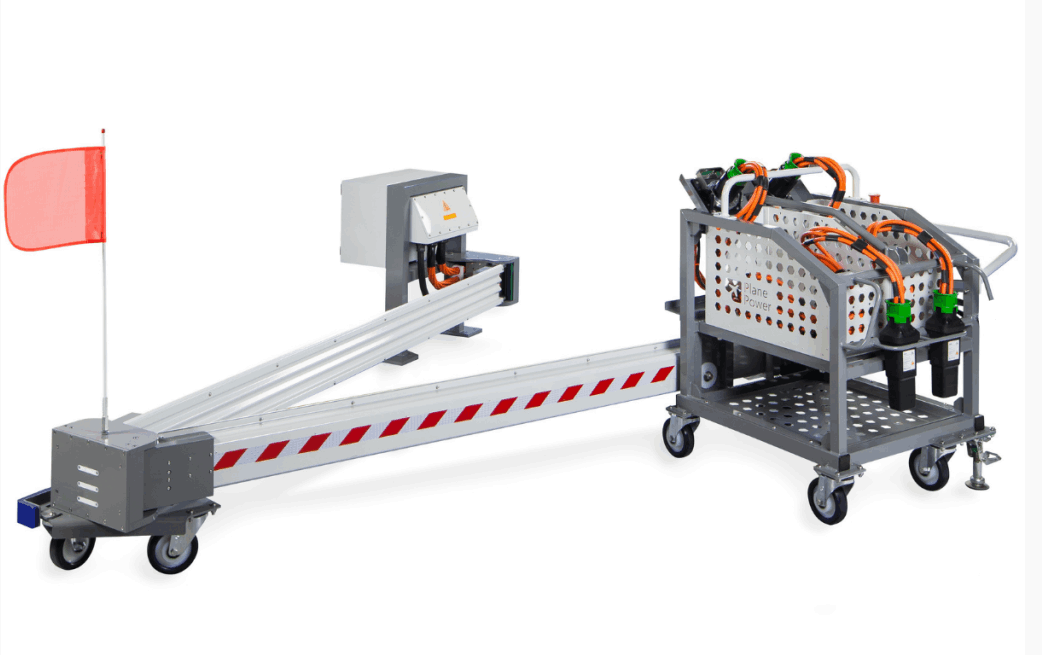
Aircraft Ground Power Supply Equipment: Maintaining Electrical Power During Ground Operations
An aircraft can require substantial electrical power long before its engines are started. Engineers may need to test avionics, ground crews can be preparing the cabin, and numerous onboard systems may need to remain operational while an aircraft is parked. Providing that electricity efficiently is therefore an important part of both airport operations and aircraft maintenance.
Aircraft Ground Power Supply Equipment enables a suitable external power source to be connected to an aircraft while it remains on the ground. This can reduce dependence on onboard auxiliary power and provide the stable electrical supply required for servicing, diagnostics, maintenance and aircraft preparation. Equipment ranges from self-contained mobile ground power units to fixed systems incorporated into airport infrastructure.
Ground power equipment differs from general-purpose electrical generators because aircraft can have specialised power requirements. The output needs to match the electrical characteristics specified for the aircraft, including voltage, frequency, phase configuration and power capacity.
For many larger aircraft, 400 Hz AC power is an important requirement. This differs significantly from the 50 Hz mains electricity normally available within UK buildings and infrastructure. Appropriate conversion or generation equipment is therefore necessary before standard electrical supplies can be used by compatible aircraft systems.
Other aircraft operate systems requiring DC ground power. The correct ground equipment consequently depends upon the aircraft being supported and the activities being performed.
This makes compatibility one of the first considerations when planning a ground power installation. An airport supporting a varied fleet can face different requirements from a maintenance facility specialising in a limited number of aircraft types.
Mobile and Fixed Ground Power Systems
Ground power can be delivered through several different equipment configurations.
Mobile ground power units provide flexibility because they can be transported to the aircraft requiring support. Self-contained units can be particularly valuable on remote stands, within maintenance facilities or at airports where fixed electrical infrastructure is unavailable.
Engine-driven units typically combine a combustion engine with electrical generating equipment capable of producing the required aircraft supply.
Their independence from local electrical infrastructure makes them highly flexible, but this also introduces fuel consumption, engine maintenance, noise and local exhaust emissions.
Fixed ground power systems can provide an alternative at frequently used aircraft stands.
Instead of generating electricity using a local engine, fixed installations can take power from the airport's electrical infrastructure and convert it into the format required by the aircraft. Suitable equipment may be installed around the stand or integrated with passenger boarding infrastructure.
This approach can reduce the amount of mobile equipment operating around an aircraft and potentially decrease local noise and emissions.
Frequency converters are particularly relevant where the available electrical supply needs to be transformed from conventional mains frequency into the 400 Hz AC power required by many aircraft.
Power electronics allow this conversion to take place without the combustion engine used within traditional mobile generating equipment.
Battery-based mobile ground power is another developing option for some applications. Stored electrical energy can potentially provide ground power without continuously running a diesel engine.
The practicality of this approach depends upon required capacity, operating duration, charging arrangements and the types of aircraft being supported.
There is therefore no single form of Aircraft Ground Power Supply Equipment suitable for every aviation environment. Equipment needs to reflect the operational requirements of the facility.
A busy commercial airport may favour fixed systems for frequently occupied stands while retaining mobile equipment for operational flexibility. A maintenance organisation might place greater emphasis on extended-duration stable power for testing and engineering work.
Power Quality, Capacity and Operational Reliability
Aircraft electronics can be sensitive to unsuitable electrical conditions, making power quality an important aspect of ground support.
Voltage needs to remain within the required range as loads change. Frequency stability is similarly important for AC aircraft systems, while waveform quality and other electrical characteristics can influence the suitability of the supply.
Ground equipment can incorporate monitoring systems that continually check output conditions.
If a parameter moves outside permitted limits, protective functions may prevent power from reaching the aircraft or disconnect an existing supply.
Capacity also needs careful consideration.
The maximum electrical demand during ground operations can be considerably different from the power required for one isolated maintenance task. Cabin systems, avionics and other equipment may operate simultaneously.
A ground power unit should therefore be sized around realistic operating loads rather than an assumption that every connected aircraft will require the same amount of power.
At the same time, simply choosing the largest available unit is not necessarily the most efficient solution. Larger equipment can increase capital costs, physical size and potentially operating requirements.
Matching capacity to the intended aircraft and duty can produce a more appropriate installation.
Electrical connectors and cables form another critical part of the system.
Ground power cables are repeatedly deployed and recovered during normal airport operations. They may be exposed to rain, contamination, abrasion and substantial temperature changes while being handled around aircraft stands.
Routine inspection can identify damaged insulation, worn connectors or other deterioration.
Cable management also has an operational dimension. Aircraft stands are busy environments containing baggage handling equipment, passenger steps, catering vehicles, fuel operations and other ground-support activities.
Poorly positioned cables can create hazards or become vulnerable to vehicle damage.
Fixed cable-management systems can help in permanent installations, while mobile units require appropriate operating procedures to keep cables protected and correctly routed.
Connection and disconnection should follow established procedures. Personnel need to confirm that the ground equipment is correctly configured and that the aircraft is ready to accept external power.
Communication between flight crews, engineers and ground personnel can therefore form part of the operating process.
Ground power is particularly valuable during aircraft maintenance.
Technicians carrying out avionics diagnostics or electrical testing may need an aircraft energised for extended periods without operating its engines or auxiliary power unit.
A stable external supply can allow systems to remain active while engineers perform troubleshooting, software procedures, inspections or other maintenance tasks.
The reliability of the ground equipment consequently matters. A power interruption during certain engineering procedures can create delays or require work to be restarted.
Preventative maintenance can reduce the likelihood of unexpected failures.
For engine-driven equipment, this includes conventional engine maintenance alongside inspection of the electrical generating system.
Oil, filters, fuel systems, cooling components and starting systems can all require attention in addition to the power-generation equipment itself.
Electronic frequency converters have different maintenance requirements. Cooling systems and power-electronic components become particularly important because conversion equipment can generate substantial heat.
Airflow needs to remain unobstructed and filters or ventilation areas should be maintained where required.
Environmental exposure must also be considered. Equipment operating on an exposed aircraft stand may experience rain, frost, summer heat and airborne contaminants.
Enclosures and electrical components therefore need to be suitable for the conditions in which they will operate.
Transportable equipment additionally experiences movement and vibration as it is repeatedly repositioned around the airport.
Physical construction, wheels, towing arrangements and connectors all need to withstand normal operational handling.
Energy efficiency has become another consideration as airports seek to reduce the environmental impact of ground operations.
Running aircraft engines simply to provide ground electrical power would generally be inefficient, while auxiliary power units also consume aviation fuel.
Providing external electrical power can reduce the amount of time onboard generation needs to operate while an aircraft is parked.
Where ground power is supplied from fixed electrical infrastructure, the airport can potentially reduce local combustion emissions further.
The overall environmental benefit depends upon the source of the electricity and the wider operating arrangement, but electrification provides airports with additional options as they examine ground-level energy use.
Operational planning should also account for equipment availability. A facility cannot rely on one unit continuously if maintenance or unexpected faults would leave aircraft without suitable power.
Depending on operational importance, spare capacity or backup equipment may therefore be necessary.
Training remains essential regardless of the technology involved. Operators need to understand controls, warning indicators, connection procedures and what to do if the equipment reports a fault.
Ground crews should also know how to position mobile equipment safely around aircraft and other vehicles.
As aviation technology evolves, ground power requirements may change. More electrically intensive aircraft systems could increase demand, while improvements in battery technology and power electronics may create new ways of delivering that energy on the ground.
Airport infrastructure may consequently need to accommodate greater electrical capacity and more sophisticated power-management systems.
Despite these developments, the fundamental objective of Aircraft Ground Power Supply Equipment remains consistent: supplying an aircraft with stable, compatible electrical power whenever onboard generation is unnecessary or undesirable. By matching equipment capacity and electrical characteristics to aircraft requirements while maintaining cables, connectors, cooling and protection systems correctly, aviation operators can support efficient servicing, engineering and turnaround operations.